

Patchy beard growth is one of the most common frustrations men face when they try to grow facial hair. You commit to the process, stop shaving, and imagine a fuller, stronger beard—only to find uneven growth, thin spots on the cheeks, or gaps that refuse to fill in. The good news is that patchiness is rarely permanent. In most cases, it’s a signal from your body, your habits, or your patience level—not a life sentence. Learning how to fix patchy beard growth naturally requires understanding what’s really happening beneath the skin and then aligning your lifestyle, grooming, and mindset to support consistent growth.
This guide takes a natural, holistic approach. No miracle products, no false promises. Just practical, proven principles that compound over time and put you back in control of your beard growth journey.
Understanding Why Beard Growth Is Patchy
Before you can fix anything, you need clarity. Patchy beard growth usually comes from a combination of genetics, hormones, circulation, nutrition, stress, and grooming habits. Hair follicles don’t all operate on the same schedule. Some activate earlier, others later. Many men mistake “patchy” for “incapable,” when in reality their beard is still developing.
Genetics set the ceiling, but they don’t determine how close you get to it. If your father or grandfather had a full beard, odds are you have the capacity too. Even if they didn’t, your habits can dramatically influence thickness, density, and coverage.
Age also matters. Beard growth often continues to improve into your late 20s and early 30s. If you’re younger, what looks like patchiness today may simply be incomplete development.
The Beard Growth Cycle and Patience
One of the biggest mistakes men make is quitting too early. Beard hair grows in cycles that include growth, rest, and shedding phases. Different follicles are in different phases at the same time. This creates the illusion of unevenness when, in reality, your beard is syncing itself.

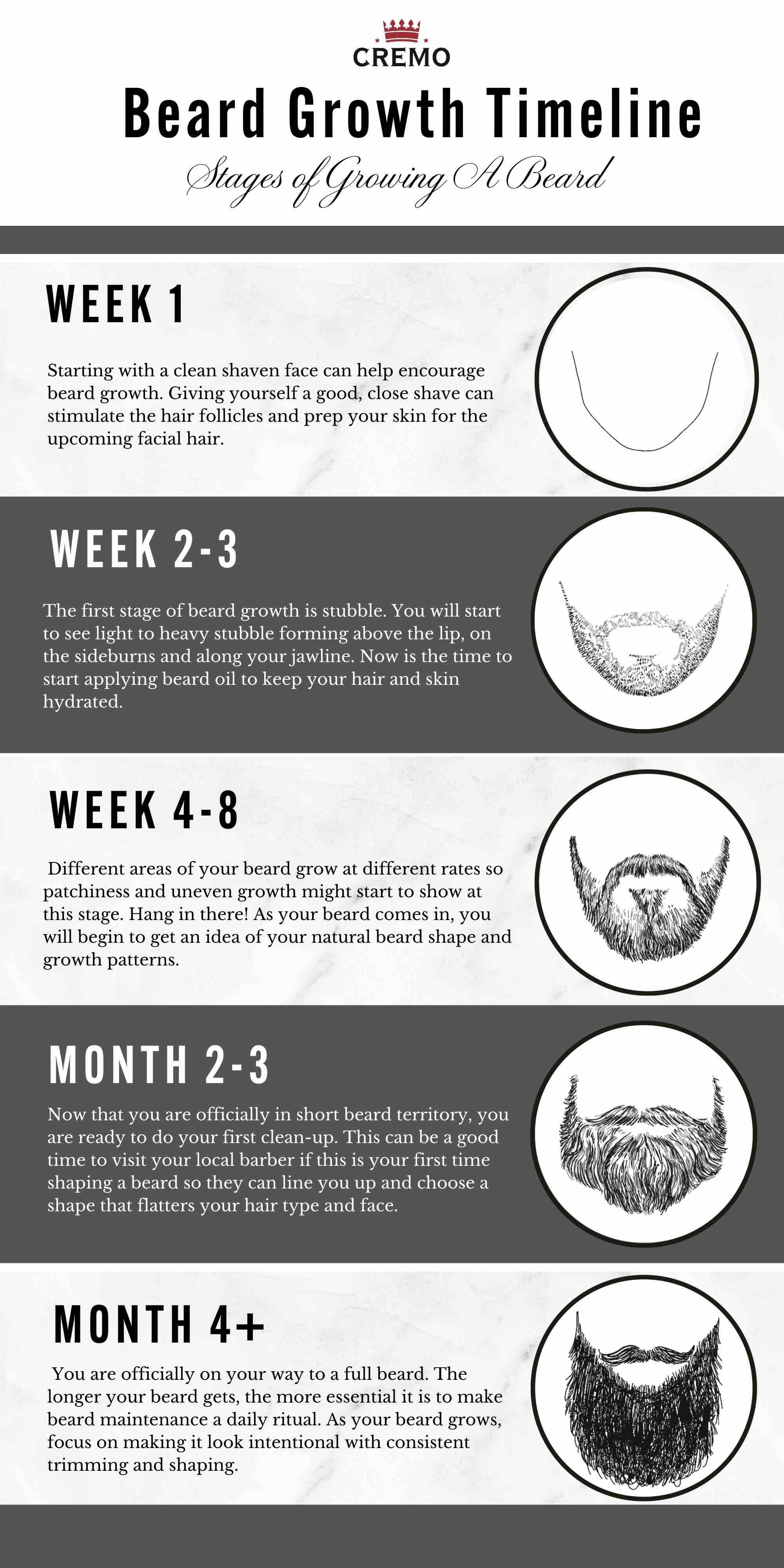

When you shave repeatedly, you reset the visual progress but not the biological one. Allowing your beard to grow uninterrupted for at least eight to twelve weeks is essential. During this period, slower follicles often wake up and begin producing hair, gradually filling in thinner areas. If you’re constantly trimming or shaving because it “looks bad,” you’re sabotaging the very process you’re trying to improve.
Blood Flow: The Foundation of Beard Density
Hair follicles are living structures. They require oxygen and nutrients delivered through blood flow. Poor circulation means weaker follicles and slower growth. Improving circulation to the face is one of the most effective natural ways to fix patchy beard growth.
Daily facial massage stimulates blood flow and helps deliver nutrients directly to the follicles. Using your fingertips to apply firm, circular motions along the cheeks, jawline, and chin for five to ten minutes a day can significantly improve follicle performance over time. Many men notice their beard feels warmer or tingles slightly afterward—a sign that blood flow has increased.
Exercise also plays a critical role. Strength training and cardiovascular activity improve overall circulation and hormone regulation. When your body is healthy and active, your beard benefits as a byproduct.
Nutrition: Feeding the Follicles
You cannot grow a strong beard on a weak diet. Hair is made primarily of protein, and follicle health depends on vitamins and minerals that many men lack. If your diet is dominated by processed foods, sugar, and empty calories, patchy growth is almost guaranteed.
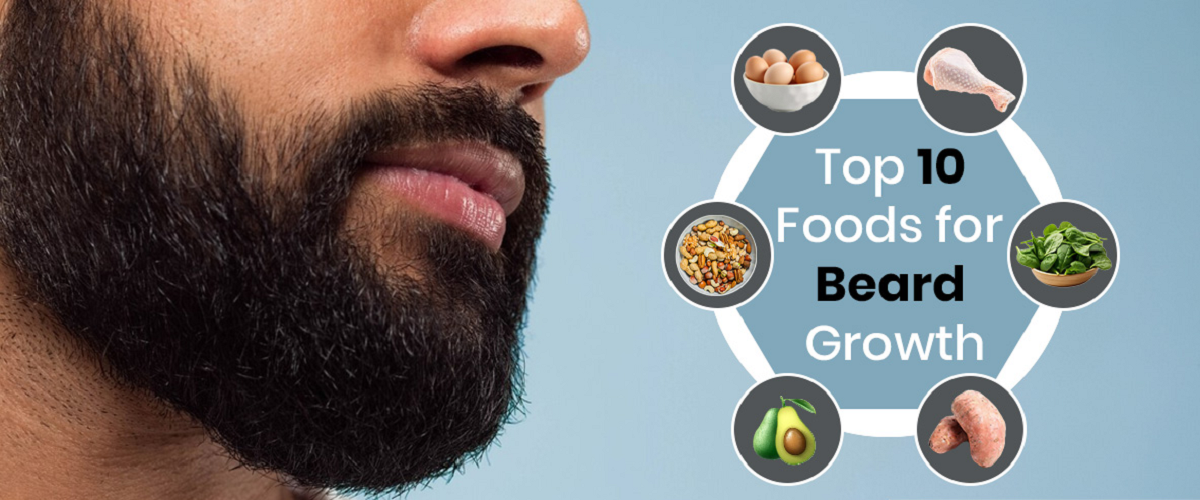
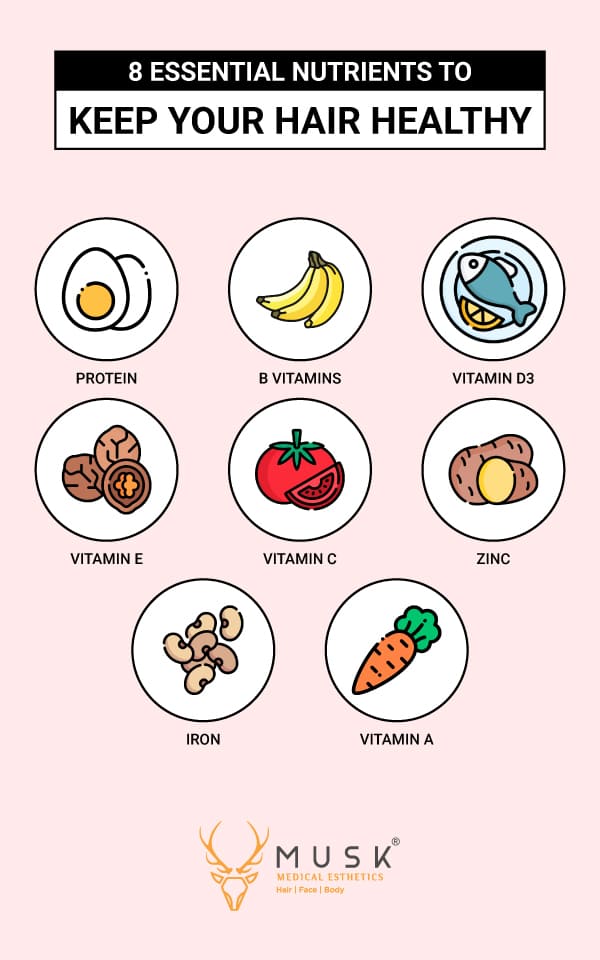
Protein intake is essential because hair is built from keratin. Eggs, lean meats, fish, and legumes provide the raw materials your body needs to produce hair efficiently. Healthy fats from sources like olive oil, avocados, and nuts support hormone balance, which directly impacts beard growth.
Micronutrients matter just as much. Zinc supports testosterone production and follicle repair. Biotin helps strengthen hair structure. Vitamins A, C, D, and E contribute to skin health and follicle function. When these nutrients are missing, your beard becomes one of the first places to show it.
Hydration is often overlooked. Dehydrated skin leads to brittle hair and clogged follicles. Drinking enough water daily keeps the skin elastic and supports consistent growth.
Sleep and Hormonal Balance
Beard growth doesn’t happen when you’re awake grinding through your day. It happens when you sleep. Deep sleep is when your body releases growth hormone and regulates testosterone—both essential for facial hair development.
Chronic sleep deprivation lowers testosterone levels and increases cortisol, the stress hormone that actively suppresses hair growth. If you’re serious about fixing patchy beard growth naturally, consistent high-quality sleep is non-negotiable.
Aim for seven to nine hours per night, with a regular sleep schedule. Dark rooms, minimal screen exposure before bed, and consistent wake times all contribute to deeper sleep cycles. Over time, this hormonal stability shows up in thicker, healthier beard growth.
Stress: The Silent Beard Killer
Stress is one of the most underestimated causes of patchy beards. When stress levels remain high, your body shifts into survival mode. Non-essential functions like hair growth are deprioritized. Cortisol constricts blood vessels, reduces nutrient delivery, and interferes with hormone balance.
Managing stress isn’t about relaxation for comfort—it’s about biological optimization. Daily movement, controlled breathing, time outdoors, and mental discipline all reduce chronic stress levels. When stress decreases, follicles regain the resources they need to function properly.
Men who learn to control stress often notice improvements not only in beard density but also in skin clarity, energy levels, and overall appearance.
Skincare: Clearing the Path for Growth
Healthy beard growth starts with healthy skin. Clogged pores, dead skin buildup, and chronic irritation can block follicles and weaken emerging hairs. A simple, consistent skincare routine can dramatically improve results.



Gentle exfoliation two to three times per week removes dead skin cells and clears follicles so new hairs can emerge without resistance. This also reduces ingrown hairs, which are often mistaken for patchiness.
Cleansing your face daily removes dirt, oil, and bacteria that can inflame follicles. Follow with a light, natural moisturizer to keep the skin hydrated without clogging pores. When the skin environment improves, hair growth follows.
Natural Oils and Beard Care
While no oil can magically create new follicles, certain natural oils can support existing ones and improve the appearance of patchy areas while growth catches up. Oils like jojoba, argan, and castor oil help moisturize the skin, reduce inflammation, and improve hair texture.
Applying oil after a warm shower allows better absorption. Massage it into the skin beneath the beard, not just the hair itself. This supports follicle health and trains you to touch your beard with intention rather than frustration.
Over time, well-conditioned hair appears thicker and fuller, reducing the contrast between dense and thin areas.
Training Your Beard with Strategic Trimming
Many men either refuse to trim at all or trim too aggressively. Both approaches can worsen the appearance of patchiness. Strategic trimming helps balance the beard visually while allowing slower areas to catch up.
Keeping the neckline and cheek lines clean creates structure and draws attention away from thinner spots. Slightly reducing length in dense areas can also make patchy zones less noticeable. This isn’t about hiding flaws—it’s about managing optics while biology does its work.
A beard that looks intentional is easier to commit to long enough for real growth to happen.
Sunlight and Vitamin D
Vitamin D plays a critical role in follicle cycling and hormone regulation. Men who spend little time outdoors often have lower levels, which can contribute to weak or inconsistent beard growth.
Regular sunlight exposure supports natural vitamin D production and improves mood, energy, and sleep—all indirect drivers of better beard growth. Even twenty minutes of daily sun exposure can make a meaningful difference over time.
Breaking the Shaving Myth
One of the most persistent myths is that shaving makes your beard grow back thicker. It doesn’t. Shaving only cuts hair at the surface, creating blunt ends that feel coarse as they grow. It does nothing to improve follicle density or activation.
Constant shaving delays your ability to assess real progress. If your goal is to fix patchy beard growth, you must allow growth long enough to see what your follicles are capable of producing naturally.
A beard roller, also known as a derma roller, can support beard growth when used correctly and consistently. It is not a miracle solution, but it can be a useful tool for men dealing with patchy areas where hair grows thin or uneven.
Commitment and Time: The Final Ingredient
There is no shortcut that replaces time. Natural beard improvement is a slow, compounding process. Men who succeed are the ones who stop obsessing daily and start executing consistently.
Track progress monthly, not daily. Compare photos under the same lighting. Look for incremental improvements rather than overnight transformation. Most men who stick to proper nutrition, sleep, stress management, skincare, and patience see noticeable improvements within three to six months.
Patchy beards don’t respond to desperation. They respond to discipline.
Redefining What “Full” Really Means
Not every beard needs to look the same. Density, shape, and growth patterns vary. A beard that suits your face structure and genetics can still look powerful, masculine, and intentional—even if it doesn’t match someone else’s.
Learning how to fix patchy beard growth naturally isn’t about chasing perfection. It’s about optimizing what you have and allowing your body to perform at its best. When you align your habits with biology, the results follow.
Your beard is not a reflection of luck. It’s a reflection of how well you take care of the system that grows it. Stay consistent, stay patient, and let the process work.